Sustainable Gardening for Communities: Beyond Basic Pruning
How to implement a low-maintenance landscaping plan that beautifies common areas and reduces long-term costs.
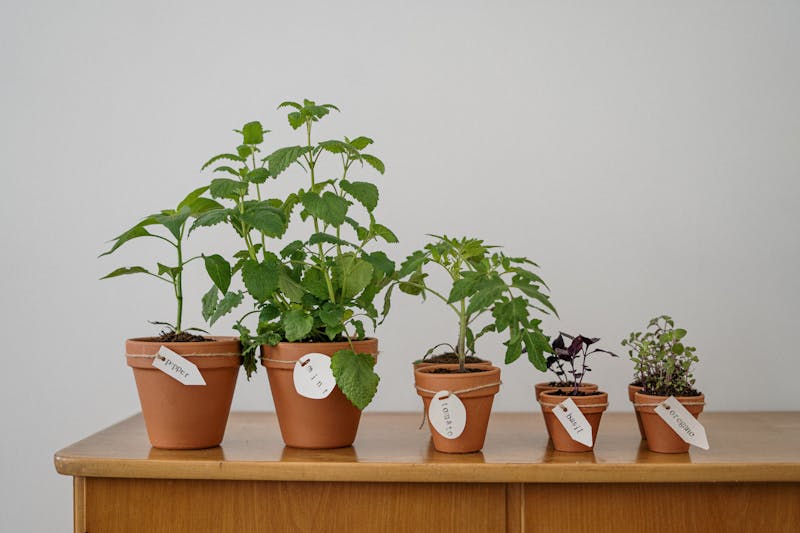
Well-planned green spaces require fewer resources.
Gardening in homeowners' associations is often limited to watering and occasional pruning. However, a well-designed strategy can transform these spaces into valuable assets that promote sustainability and well-being.
Selection of Native Species
The first step towards a sustainable community garden is choosing plants adapted to the local climate, such as those from the Lima coast. Species like verbena, ornamental cactus, or certain resilient grasses require significantly less water and care than exotic plants, reducing watering frequency and fertilizer use.
Practical Tip for Your Community
Take an inventory of the current plants in the common areas. Identify those that consume the most water and propose a gradual replacement plan with native species at the next homeowners' meeting.
Efficient Irrigation Systems
Drip irrigation or low-pressure sprinkler systems can reduce water consumption by up to 50% compared to traditional hoses. Scheduling watering for nighttime or dawn minimizes evaporation.

Proactive vs. Reactive Maintenance
Instead of waiting for hedges to overgrow or pests to appear, a preventive maintenance schedule is key. This includes:
- Formative pruning: Guiding shrub growth to maintain the desired shape with fewer drastic cuts.
- Natural pest control: Introducing plants that naturally repel insects, reducing the need for pesticides.
- Mulching: Applying a layer of organic material around plants to retain moisture and suppress weeds.
This approach not only keeps the garden healthier but also distributes work and costs evenly throughout the year, avoiding surprise expenses for the community.
Implementing sustainable gardening is an investment in your community's future. It improves aesthetics, fosters a healthier environment, and, most importantly, generates significant savings that can be allocated to other common projects.